

Your labs say normal. Your body says otherwise. Here’s what Thyrafemme Balance does about the thyroid fatigue that standard tests miss.
Thyrafemme Balance is reviewed here as a dietary supplement — not as a prescription drug, medical treatment, or substitute for professional healthcare advice.
Persistent exhaustion, afternoon brain fog, and unexplained weight gain are among the most common complaints from women over 40 — and among the least addressed in a standard thyroid panel. Thyrafemme Balance is a 14-ingredient, stimulant-free formula designed to give the thyroid the nutritional support it needs to regulate itself. This is an independent analysis of whether it delivers on that premise.
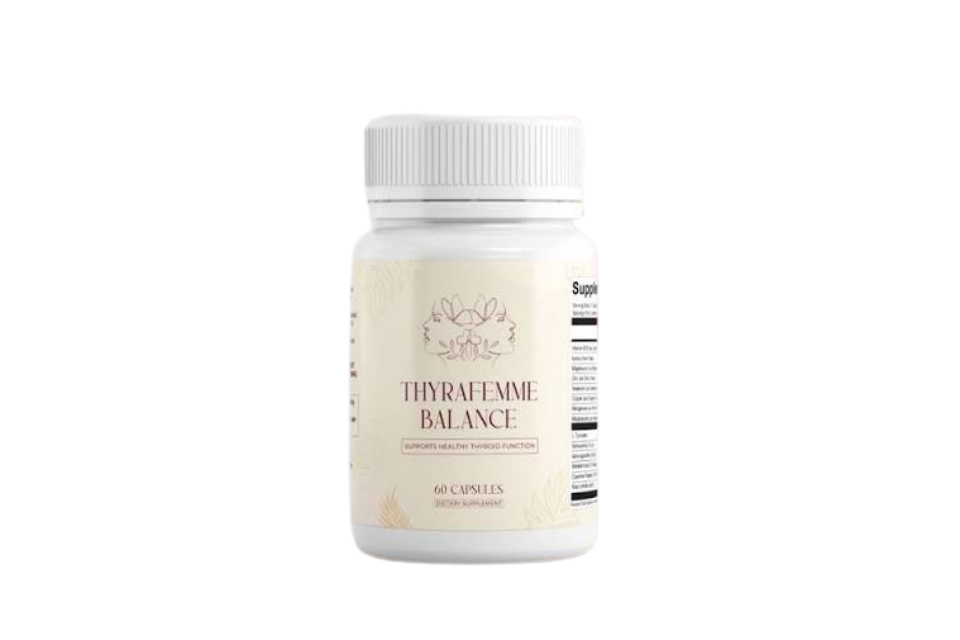 Try Thyrafemme Balance Risk-Free
This detailed Thyrafemme Balance review examines the formula, available ingredient information, potential benefits, safety considerations, scientific evidence, limitations, and who should—or should not—consider it.
Bottom line: Thyrafemme Balance has several nutritionally relevant ingredients, including iodine, selenium, zinc, and L-tyrosine. However, the evidence for individual ingredients should not be confused with clinical evidence that the finished product itself treats thyroid dysfunction. Anyone with diagnosed thyroid disease or persistent symptoms should prioritize appropriate medical evaluation rather than relying on a supplement.
Thyrafemme Balance at a Glance
| Feature | Details |
|---|---|
| Product type | Dietary supplement |
| Primary positioning | Thyroid and nutritional support for women |
| Formula | 14 ingredients, according to the product review examined |
| Iodine | 150 mcg |
| L-Tyrosine | 300 mg |
| Selenium | 200 mcg |
| Zinc | 8 mg |
| Ashwagandha | 200 mg KSM-66 |
| Schisandra | 240 mg |
| Stimulants | Advertised as stimulant-free |
| Synthetic thyroid hormones | None reported |
| Claimed dietary characteristics | Vegan, non-GMO, gluten-free |
| Guarantee | 60-day money-back guarantee, according to the reviewed page |
| Prescription replacement? | No |
Important: The ingredient and product specifications above are based on information presented on the product-review page analyzed for this article. Consumers should verify the current Supplement Facts panel, serving size, manufacturer information, and return terms directly with the seller before purchasing.
What Is Thyrafemme Balance?
Thyrafemme Balance is presented as a nutritional supplement designed to support thyroid function through a combination of vitamins, minerals, amino acids, and botanical ingredients.
The product is not a thyroid hormone replacement. In other words, it is fundamentally different from prescription thyroid hormone therapy such as levothyroxine.
According to the page being reviewed, Thyrafemme Balance contains 14 ingredients and is organized around three broad concepts:
- Nutritional support for thyroid hormone production
- Nutrients involved in thyroid hormone metabolism
- Botanical support for stress management
That approach is reasonable as a nutritional framework. However, it is important not to overstate what it means clinically.
For example, iodine is genuinely required to make thyroid hormones. Selenium is involved in thyroid hormone metabolism. Zinc has biological roles throughout the endocrine system. That does not automatically mean that taking more of these nutrients will increase thyroid hormone levels in someone who already has adequate nutritional status.
That distinction is one of the most important things to understand before buying any thyroid supplement.
What Does the Thyroid Actually Do?
The thyroid is a small gland in the front of the neck, but thyroid hormones influence numerous processes throughout the body.
Thyroid hormones help regulate:
- Energy expenditure
- Metabolism
- Heart rate
- Body temperature
- Brain function
- Muscle function
- Digestion
- Growth and development
The thyroid primarily produces thyroxine (T4) and smaller amounts of triiodothyronine (T3). Much of the body’s T3 is generated outside the thyroid through conversion of T4.
The pituitary gland produces thyroid-stimulating hormone (TSH), which helps regulate thyroid activity.
For readers trying to determine whether their symptoms could actually be thyroid-related, the National Institute of Diabetes and Digestive and Kidney Diseases (NIDDK) thyroid information is a useful starting point.
Why this matters when evaluating Thyrafemme Balance
A supplement cannot determine why someone is tired.
Fatigue, difficulty losing weight, changes in mood, poor concentration, hair changes, and sleep problems can have many causes, including:
- Hypothyroidism
- Iron deficiency
- Vitamin B12 deficiency
- Sleep disorders
- Depression or anxiety
- Medication effects
- Menopause and perimenopause
- Diabetes or other metabolic conditions
- Chronic illness
- Inadequate sleep
- Excessive stress
Therefore, persistent symptoms should not automatically be interpreted as evidence of “low thyroid.”
Thyrafemme Balance Ingredients: What Does the Formula Contain?
The strongest part of a supplement review is usually the ingredient analysis.
The reviewed page identifies several key ingredients and their stated amounts. However, a critical point should be made upfront: evidence supporting an ingredient is not the same as evidence supporting the finished product.
Let’s examine the major ingredients individually.

1. Iodine — 150 mcg
Iodine is essential for thyroid hormone production.
The thyroid uses iodine to manufacture T4 and T3. For adults, the recommended dietary allowance is generally 150 mcg per day.
Therefore, the reported 150-mcg amount corresponds to the adult recommended intake.
However, this does not mean that additional iodine is automatically beneficial.
Can iodine improve thyroid function?
If someone has inadequate iodine intake, correcting the deficiency can be important.
But excessive iodine can also cause problems in susceptible individuals. Both iodine deficiency and excessive iodine exposure can interfere with normal thyroid function.
This is especially relevant for people with existing thyroid disease.
The NIH Office of Dietary Supplements provides detailed information about iodine, including dietary requirements and upper intake considerations in its Iodine Fact Sheet.
Important consideration
People should not assume:
More iodine = better thyroid function.
That is not an appropriate general rule.
Anyone with Hashimoto’s disease, hyperthyroidism, thyroid nodules, or another thyroid condition should discuss additional iodine with a qualified healthcare professional.
2. L-Tyrosine — 300 mg
L-tyrosine is an amino acid involved in the synthesis of thyroid hormones.
The thyroid incorporates tyrosine residues into thyroglobulin, which subsequently participates in thyroid hormone synthesis.
Tyrosine is also involved in the production of catecholamine neurotransmitters.
However, this does not mean that taking supplemental L-tyrosine automatically increases thyroid hormone production.
If someone already receives sufficient protein and has adequate thyroid function, additional tyrosine may not provide a noticeable thyroid-related benefit.
Therefore, it is best viewed as a biologically relevant ingredient, rather than a guaranteed thyroid-performance enhancer.
3. Selenium — 200 mcg
Selenium deserves particular attention.
Selenium is required for several enzymes involved in thyroid hormone metabolism, including enzymes involved in the conversion of T4 to T3.
The product information reviewed lists 200 mcg of selenium, which is considerably more than the adult recommended dietary allowance of 55 mcg.
The NIH’s Selenium Fact Sheet explains selenium requirements, sources, and safety considerations.
Is 200 mcg of selenium safe?
A 200-mcg dose is below the established adult tolerable upper intake level of 400 mcg per day, but that does not mean people should casually combine it with other selenium-containing supplements.
For example, someone could already be taking:
- A multivitamin
- A thyroid supplement
- A hair/skin/nails supplement
- Selenium separately
The total daily intake matters.
Long-term excessive selenium intake can cause adverse effects, including hair or nail changes, gastrointestinal symptoms, and other signs of selenium toxicity.
Check your total selenium intake before adding another supplement.
4. Zinc — 8 mg
Zinc participates in numerous enzymatic and physiological processes.
It is also involved in normal endocrine and immune function.
The reported 8-mg amount is relatively modest compared with the high-dose zinc products sometimes sold as supplements.
However, zinc should not be viewed as a thyroid medication.
A person with inadequate zinc intake may benefit from correcting the deficiency. Someone who already obtains adequate zinc from food may not experience an additional thyroid benefit from supplementation.
5. Ashwagandha — 200 mg KSM-66
Ashwagandha is an herbal ingredient commonly marketed for stress management, sleep, and general wellness.
Some clinical research has investigated its effects on perceived stress and cortisol.
The formula reportedly uses 200 mg of KSM-66, a branded extract.
This ingredient makes the product different from a simple iodine or selenium supplement.
However, there is an important safety consideration.
Ashwagandha and thyroid function
Some research has investigated possible effects of ashwagandha on thyroid hormone levels. That is not necessarily an advantage for everyone.
Someone with hyperthyroidism, thyroid medication use, or another endocrine condition should not assume that an herb capable of influencing thyroid-related physiology is automatically harmless.
Ashwagandha may also interact with certain medications and may not be appropriate for everyone.
For this reason, “natural” should never be interpreted as synonymous with “risk-free.”
6. Schisandra Berry — 240 mg
Schisandra is another botanical traditionally used in herbal medicine and increasingly incorporated into stress and adaptogen supplements.
Research has investigated schisandra for several biological effects, but the evidence is substantially less established than the evidence supporting iodine’s essential role in thyroid hormone production.
This distinction matters.
There is a hierarchy of evidence:
Biological plausibility → laboratory research → observational evidence → controlled clinical trials → evidence for the finished product.
An ingredient appearing in scientific literature does not establish that a particular supplement containing that ingredient will produce the same effect.
What About the Other Thyrafemme Balance Ingredients?
The reviewed page describes Thyrafemme Balance as containing 14 ingredients, but its discussion gives substantially more attention to a subset of the formula.
That creates an important opportunity for consumers: look at the complete Supplement Facts label, not just the highlighted ingredients.
When evaluating the remaining ingredients, check:
- Exact dosage
- Chemical form
- Extract standardization
- Serving size
- Percentage Daily Value
- Whether the amount is disclosed
- Whether the ingredient has clinically meaningful evidence
- Whether it duplicates another supplement you already take
A product that lists 14 ingredients is not necessarily better than a product containing five.
The dose and evidence matter more than the number of ingredients.
Does Thyrafemme Balance Really Work?
This is the most important question—and it deserves a nuanced answer.
There is a plausible nutritional rationale
Several ingredients in the formula have legitimate biological relationships with thyroid physiology.
- Iodine is required for thyroid hormone synthesis.
- Selenium participates in thyroid hormone metabolism.
- Zinc has important physiological functions.
- Tyrosine is involved in thyroid hormone synthesis.
- Ashwagandha has been studied in relation to stress and endocrine physiology.
So the formula is not based entirely on arbitrary ingredients.
But that does not establish that Thyrafemme Balance treats hypothyroidism
There is a significant difference between:
“This nutrient is involved in thyroid physiology.”
and:
“This finished supplement treats thyroid disease.”
The latter requires clinical evidence involving the actual product, appropriate participants, meaningful outcomes, and controlled study designs.
The reviewed page does not establish that level of evidence for Thyrafemme Balance itself.
Therefore, the most defensible conclusion is:
Thyrafemme Balance contains several ingredients with biologically relevant roles, but there is insufficient evidence to conclude that the finished product can diagnose, prevent, or treat thyroid disease.
That is a much more useful conclusion than simply calling the product either a “scam” or a “miracle.”
Thyrafemme Balance and “Normal TSH”: An Important Reality Check
One of the strongest marketing themes surrounding thyroid supplements is the idea that someone can have a “normal TSH” while secretly suffering from thyroid dysfunction.
This deserves careful explanation.
TSH is an important thyroid test, but physicians may use additional information depending on the clinical situation, including free T4 and other tests.
A normal test does not necessarily explain every symptom a person experiences—but that does not mean a person has a hidden thyroid disorder.
For example, fatigue with normal thyroid tests could result from:
- Sleep apnea
- Iron deficiency
- Anemia
- Menopause
- Medication side effects
- Nutritional deficiencies
- Depression
- Chronic stress
- Other medical conditions
Consequently, persistent symptoms should trigger broader evaluation, rather than automatically leading to a thyroid supplement.
Thyrafemme Balance for Women Over 40
The product is particularly positioned toward women over 40.

That audience makes sense from a marketing perspective because perimenopause and menopause can bring substantial changes in:
- Sleep
- Body composition
- Temperature regulation
- Mood
- Energy
- Menstrual patterns
- Concentration
However, these changes should not automatically be attributed to thyroid dysfunction.
Thyroid symptoms and menopause can overlap
This is an especially important issue.
Both thyroid disorders and menopause-related changes can involve:
- Fatigue
- Weight changes
- Sleep problems
- Mood changes
- Brain fog
- Hair changes
That overlap can make self-diagnosis difficult.
Instead of assuming the problem is thyroid-related, women experiencing persistent symptoms should discuss them with a healthcare professional and consider whether thyroid testing and other evaluation are appropriate.
Thyrafemme Balance Benefits: What Can Reasonably Be Expected?
Potential benefits should be separated into nutritional support and unproven product claims.
Reasonable potential
If someone has an inadequate intake of an essential nutrient, correcting that nutritional deficiency can support normal physiology.
The formula may therefore be more relevant to someone whose diet is insufficient in particular nutrients than to someone who already has excellent nutritional status.
Claims that require more evidence
The following outcomes should not be treated as guaranteed:
- Major weight loss
- Reversal of hypothyroidism
- Normalization of thyroid labs
- Treatment of Hashimoto’s disease
- Elimination of menopause symptoms
- Dramatic increases in metabolism
- Permanent resolution of fatigue
- Replacement of thyroid medication
A supplement cannot responsibly be evaluated by marketing claims alone.
Thyrafemme Balance Side Effects
The product’s ingredients are generally recognizable nutritional or botanical compounds, but that does not mean side effects are impossible.
Potential concerns depend on the individual ingredient, dosage, health status, and other medications or supplements.
Possible issues may include:
- Gastrointestinal discomfort
- Nausea
- Headache
- Changes in thyroid hormone levels
- Interactions with medications
- Excessive total selenium intake
- Excessive total iodine intake
- Herbal side effects or intolerance
Taking supplements with food may improve tolerance for some people, although the appropriate administration depends on the individual product label.
Who Should Be Especially Careful?
Talk to a healthcare professional before using a thyroid-focused supplement if you:
- Have hypothyroidism
- Have Hashimoto’s disease
- Have hyperthyroidism
- Have thyroid nodules
- Have a history of thyroid surgery
- Take levothyroxine
- Take another thyroid hormone
- Take medications affecting thyroid function
- Are pregnant
- Are breastfeeding
- Take multiple medications
- Have an autoimmune disorder
- Are already taking iodine or selenium
What about levothyroxine?
People taking levothyroxine should be particularly cautious about adding supplements.
The concern is not simply whether a supplement contains “natural ingredients.” Certain supplements and minerals can interfere with medication absorption or alter thyroid-related management.
Patients taking thyroid medication should therefore ask their prescriber or pharmacist before introducing a new supplement.
Do not independently change the dose of prescribed thyroid medication because of a supplement.
Thyrafemme Balance and Hashimoto’s Disease
Hashimoto’s thyroiditis is an autoimmune thyroid disorder.
It should not be treated as simply a nutritional deficiency.
Iodine deserves particular caution here because iodine physiology in autoimmune thyroid disease is more complicated than the simplistic message that “iodine supports the thyroid.”
Selenium has also been studied in Hashimoto’s, but evidence regarding supplementation and clinically meaningful outcomes remains nuanced.
If you have Hashimoto’s, the appropriate question is not:
“Is this natural?”
It is:
“Does this particular dose and combination make sense for my medical situation?”
That is a conversation for your physician or qualified healthcare professional.
Is Thyrafemme Balance Safe for Women Over 60?
Age alone does not determine whether a supplement is safe.
However, medication use often increases with age, making interaction screening more important.
For women over 60, it is particularly sensible to review:
- Prescription medications
- Multivitamins
- Calcium
- Iron
- Selenium
- Iodine
- Herbal supplements
- Thyroid medication
A pharmacist can often provide a useful medication-and-supplement interaction review.
Thyrafemme Balance vs. Thyroid Medication
These products should not be placed in the same category.
| Thyrafemme Balance | Prescription thyroid medication |
|---|---|
| Dietary supplement | Medication |
| Nutritional/botanical ingredients | Thyroid hormone |
| Intended to support physiology | Used to replace deficient hormone |
| Not a treatment for hypothyroidism | Clinically established treatment for hypothyroidism |
| Evidence varies by ingredient | Extensive clinical use |
| Product-specific clinical evidence appears limited | Dosing is medically monitored |
If a person has diagnosed hypothyroidism and has been prescribed levothyroxine, a supplement should not be used as a replacement unless their healthcare provider specifically recommends a different treatment approach.
Thyrafemme Balance vs. Other Thyroid Supplements
Thyroid supplements typically fall into several categories.
1. Iodine-focused supplements
These primarily address iodine intake.
Potential advantage: Simple formula.
Potential disadvantage: More iodine is not necessarily better, especially for people with thyroid disease.
2. Selenium-focused supplements
These focus on selenium because of its role in thyroid metabolism.
Potential advantage: Provides a specific nutrient.
Potential disadvantage: Excessive intake can be problematic, especially when combined with other supplements.
3. Multi-ingredient thyroid formulas
These combine vitamins, minerals, amino acids, and herbs.
Potential advantage: Broader nutritional coverage.
Potential disadvantage: More ingredients also mean more opportunities for interactions and unnecessary duplication.
4. Thyrafemme Balance
Based on the formula information reviewed, Thyrafemme Balance falls into the multi-ingredient category and emphasizes iodine, selenium, zinc, tyrosine, and botanical ingredients.
The broader formula does not automatically make it clinically superior.
How to Evaluate Thyrafemme Balance Before Buying
Rather than relying on a five-star rating, use this checklist.
Check 1: Read the complete Supplement Facts panel
Don’t stop at the ingredients used in advertisements.
Look at every active ingredient and its dosage.
Check 2: Add up overlapping nutrients
If you already take a multivitamin containing selenium or iodine, calculate the combined intake.
Check 3: Check your medical history
Especially consider thyroid disease, autoimmune disease, pregnancy, and medication use.
Check 4: Look for product-specific clinical trials
This is one of the biggest distinctions between strong supplement evidence and marketing.
Ask:
Has the finished product been tested in randomized controlled trials?
Not merely:
Have some of these ingredients been studied?
Check 5: Verify the current return policy
Money-back guarantees can change. Verify the current terms before ordering.
Check 6: Evaluate the cost per day
A monthly price can appear reasonable until you calculate the actual annual cost.
Ready to try it out? Secure your order with the official guarantee.
Start your 60-day Money Back Guarantee TrialHow Long Does Thyrafemme Balance Take to Work?
The original review proposes a timeline in which users may notice changes during several successive periods, extending from the first few weeks through roughly two to three months.
That timeline should be treated as a marketing or anecdotal expectation rather than a clinically established timetable.
There is no strong basis for promising that:
- Week 1 produces more energy
- Week 4 produces better cognition
- Week 8 produces weight loss
Individual responses can differ substantially.
More importantly, if a person has true hypothyroidism, waiting several months for a supplement to “kick in” may delay appropriate treatment.
If symptoms are significant or worsening, medical evaluation should take priority.
Thyrafemme Balance Reviews: How Much Weight Should You Give Them?
Customer reviews can be useful for understanding how a product is experienced in real-world use.
However, testimonials cannot establish whether a supplement caused a particular health improvement.
For example, someone may report:
“My energy improved after taking it.”
That is an experience—not proof of causation.
Other factors may have changed simultaneously:
- Sleep
- Diet
- Exercise
- Stress
- Medication
- Menopause symptoms
- Other supplements
- Natural symptom fluctuations
The same principle applies to negative reviews.
A person who did not improve does not prove that the formula never works for anyone.
What makes evidence stronger?
Look for:
- Controlled clinical trials
- Randomization
- Adequate sample sizes
- Objective outcomes
- Independent researchers
- Published methodology
- Replication
That is considerably stronger than testimonials.
Is Thyrafemme Balance Legit?
There are two separate questions here.
Is it a real supplement?
The reviewed page presents Thyrafemme Balance as a commercially available dietary supplement with a defined ingredient formula.
Does that prove the health claims?
No.
A legitimate supplement can still have exaggerated marketing claims.
Consumers should therefore distinguish between:
- Product legitimacy
- Ingredient plausibility
- Manufacturing quality
- Clinical efficacy
- Individual effectiveness
These are five different questions.
The FDA explains that dietary supplements are regulated differently from prescription drugs and that manufacturers are responsible for ensuring their products meet applicable requirements. The FDA’s consumer information on supplements is available through its Dietary Supplements guidance and resources.
What Does “FDA-Registered Facility” Actually Mean?
This is another area where supplement marketing can be misleading.
A statement that a product is manufactured in an “FDA-registered facility” should not be interpreted as:
“The FDA approved this supplement.”
Those are different concepts.
Dietary supplements are not approved by the FDA for safety and effectiveness in the same manner as prescription medications before they are marketed.
Therefore, phrases such as:
- FDA registered
- Manufactured in an FDA-registered facility
- cGMP facility
should not be presented as equivalent to FDA approval of the product’s health claims.
Consumers can consult the FDA’s Dietary Supplements overview for more information about how supplements are regulated.
Pros and Cons of Thyrafemme Balance
Potential advantages
- Contains several nutrients biologically relevant to thyroid physiology.
- Provides iodine, selenium, zinc, and tyrosine in one formula.
- Includes botanical ingredients rather than relying solely on iodine.
- The reported formula does not contain synthetic thyroid hormone.
- Ingredient amounts are reportedly disclosed rather than hidden in a proprietary blend.
- Stimulant-free positioning may appeal to people who want to avoid caffeine-heavy energy products.
Potential disadvantages
- Evidence for the finished product appears much weaker than evidence for some individual ingredients.
- A multi-ingredient formula makes it harder to identify which ingredient is responsible for any benefit or side effect.
- The 200-mcg selenium dose is substantial and should be considered alongside other dietary supplements.
- Additional iodine is not appropriate for everyone with thyroid disease.
- Botanical ingredients can interact with medications.
- It should not replace clinically indicated thyroid treatment.
- Testimonials cannot establish effectiveness.
- Claims about hidden thyroid dysfunction should be treated cautiously.
- Product specifications, prices, and guarantee terms can change and should be verified before purchase.
Who May Consider Thyrafemme Balance?
A reasonable candidate for discussing a product like this with a healthcare professional might be an adult who:
- Wants nutritional support rather than thyroid hormone replacement
- Has reviewed the ingredient list carefully
- Is not relying on the product to treat diagnosed hypothyroidism
- Is not already consuming large amounts of iodine or selenium
- Has checked potential medication interactions
- Understands that benefits are not guaranteed
The product should be approached as a supplement, not as a substitute for diagnosis or treatment.
Who Should Probably Avoid Self-Starting It?
Extra caution is warranted if you:
- Have hyperthyroidism
- Have diagnosed thyroid disease
- Have Hashimoto’s disease
- Take levothyroxine
- Take thyroid hormone replacement
- Are pregnant or breastfeeding
- Have been told to restrict iodine
- Already take several supplements
- Have unexplained symptoms that have not been medically evaluated
In these situations, medical advice is more appropriate than self-experimentation.
Frequently Asked Questions
Does Thyrafemme Balance contain thyroid hormones?
According to the product information reviewed, it does not contain synthetic thyroid hormones. It is positioned as a dietary supplement rather than thyroid hormone replacement.
Does Thyrafemme Balance treat hypothyroidism?
There is not enough evidence to claim that the finished product treats hypothyroidism. People diagnosed with hypothyroidism should follow their prescribed treatment plan and speak with their healthcare provider before adding a thyroid supplement.
Can I take Thyrafemme Balance with levothyroxine?
Do not assume that the combination is appropriate. Discuss the complete ingredient list with your physician or pharmacist before using it.
Does it help with weight loss?
Weight loss should not be considered a guaranteed effect. Although thyroid hormones influence metabolism, taking thyroid-support nutrients does not automatically cause fat loss.
Is iodine always good for the thyroid?
No. Iodine is essential, but both insufficient and excessive iodine intake can create thyroid problems.
Is 200 mcg of selenium a lot?
It is substantially above the adult recommended dietary allowance of 55 mcg, although below the adult tolerable upper intake level of 400 mcg. Total intake from all sources matters.
Can I take it if I have Hashimoto’s?
Do not self-start an iodine-containing thyroid supplement if you have Hashimoto’s without discussing it with your healthcare professional.
Can women over 50 take Thyrafemme Balance?
Age alone does not determine suitability. Medication use, thyroid status, nutritional intake, and individual medical history are more important factors.
How quickly should I expect results?
There is no clinically established timetable showing that Thyrafemme Balance produces specific benefits after a particular number of weeks. Individual experiences can vary.
Is Thyrafemme Balance FDA approved?
Dietary supplements are not FDA-approved for effectiveness in the same way prescription drugs are. Be cautious about interpreting manufacturing or registration claims as product approval.
Where should I buy Thyrafemme Balance?
If you decide to purchase it, use the manufacturer’s current official sales channel and verify the current price, shipping policy, ingredient label, and refund conditions before completing the order. Avoid assuming that third-party listings are authorized.
What Should You Do If You Have Thyroid Symptoms?
This may be more important than choosing a supplement.
If you’re experiencing persistent fatigue, unexplained weight changes, feeling unusually cold, constipation, hair changes, menstrual changes, or other concerning symptoms, consider discussing them with a healthcare professional.
Depending on your symptoms and medical history, they may determine whether thyroid testing is appropriate.
Do not diagnose yourself based solely on an online symptom checklist.
Likewise, don’t stop prescribed medication because an online review claims that a supplement can “support natural thyroid function.”
How to Make Thyrafemme Balance More Relevant to Your Situation
If you are considering it, take a structured approach.
Step 1: Identify the actual problem
Are you dealing with:
- Diagnosed hypothyroidism?
- Suspected thyroid problems?
- Menopause symptoms?
- Poor sleep?
- Nutritional deficiencies?
- General fatigue?
The answer changes the appropriate strategy.
Step 2: Review your current supplements
Write down everything you take.
Pay particular attention to:
- Iodine
- Selenium
- Zinc
- Iron
- Calcium
- Magnesium
- Multivitamins
- Herbal products
Step 3: Review your medications
Give the full list to your pharmacist or physician.
Step 4: Verify the current label
Don’t rely solely on an old review or advertisement.
Step 5: Set realistic expectations
A supplement should not be expected to replace medical treatment.
Step 6: Monitor meaningful outcomes
Instead of asking whether you “feel something,” track measurable changes such as:
- Energy
- Sleep quality
- Weight
- Symptoms
- Medication changes
- Relevant laboratory results, when clinically appropriate
This produces a much more useful evaluation.
Final Verdict: Is Thyrafemme Balance Worth Considering?
Thyrafemme Balance is more interesting than a simple “thyroid booster” built around one ingredient.
Its reported formula combines several nutrients involved in thyroid physiology with botanical ingredients commonly associated with stress support. Iodine, selenium, zinc, and tyrosine all have legitimate biological relevance.
However, that is where a responsible review needs to draw a line.
The existence of evidence for individual ingredients does not prove that Thyrafemme Balance itself treats thyroid disease or produces the specific results described in marketing materials.
The product may make more sense as a nutritional supplement for someone who has reviewed the formula and has no medical contraindications. It makes considerably less sense as a replacement for thyroid testing, diagnosis, or prescription therapy.
The biggest red flags are not necessarily the existence of iodine, selenium, or botanical ingredients. Rather, they are the possibility that consumers may interpret “thyroid support” as equivalent to “thyroid treatment.”
That distinction matters.
Overall assessment
- Formula: Reasonably structured, based on the reported ingredients.
- Ingredient rationale: Several ingredients have legitimate nutritional or physiological relevance.
- Clinical evidence for the finished product: Insufficient to make strong therapeutic claims.
- Safety: Requires individual consideration, particularly because of iodine, selenium, botanical ingredients, and medication interactions.
- For diagnosed thyroid disease: Medical guidance should come first.
- For general nutritional support: Potentially worth researching, provided expectations remain realistic.
- For unexplained fatigue or weight gain: Investigate the underlying cause rather than assuming the thyroid is responsible.
In short, Thyrafemme Balance should be evaluated as a dietary supplement—not as a thyroid medication.
That is the most evidence-based way to approach the product.
Ready to secure your authentic package directly from the source?
The Thyrafemme Balance from Official SiteAuthoritative Sources
For readers who want to verify the medical and regulatory information independently:
For more deals on Supplements Check SupplementsSaver
Visit SupplementsSaverYour labs say normal. Your body says otherwise. Here’s what Thyrafemme Balance does about the thyroid fatigue that standard tests miss.
Thyrafemme Balance is reviewed here as a dietary supplement — not as a prescription drug, medical treatment, or substitute for professional healthcare advice.
Persistent exhaustion, afternoon brain fog, and unexplained weight gain are among the most common complaints from women over 40 — and among the least addressed in a standard thyroid panel. Thyrafemme Balance is a 14-ingredient, stimulant-free formula designed to give the thyroid the nutritional support it needs to regulate itself. This is an independent analysis of whether it delivers on that premise.
Try Thyrafemme Balance Risk-Free
This detailed Thyrafemme Balance review examines the formula, available ingredient information, potential benefits, safety considerations, scientific evidence, limitations, and who should—or should not—consider it.
Bottom line: Thyrafemme Balance has several nutritionally relevant ingredients, including iodine, selenium, zinc, and L-tyrosine. However, the evidence for individual ingredients should not be confused with clinical evidence that the finished product itself treats thyroid dysfunction. Anyone with diagnosed thyroid disease or persistent symptoms should prioritize appropriate medical evaluation rather than relying on a supplement.
Thyrafemme Balance at a Glance
| Feature | Details |
|---|---|
| Product type | Dietary supplement |
| Primary positioning | Thyroid and nutritional support for women |
| Formula | 14 ingredients, according to the product review examined |
| Iodine | 150 mcg |
| L-Tyrosine | 300 mg |
| Selenium | 200 mcg |
| Zinc | 8 mg |
| Ashwagandha | 200 mg KSM-66 |
| Schisandra | 240 mg |
| Stimulants | Advertised as stimulant-free |
| Synthetic thyroid hormones | None reported |
| Claimed dietary characteristics | Vegan, non-GMO, gluten-free |
| Guarantee | 60-day money-back guarantee, according to the reviewed page |
| Prescription replacement? | No |
Important: The ingredient and product specifications above are based on information presented on the product-review page analyzed for this article. Consumers should verify the current Supplement Facts panel, serving size, manufacturer information, and return terms directly with the seller before purchasing.
What Is Thyrafemme Balance?
Thyrafemme Balance is presented as a nutritional supplement designed to support thyroid function through a combination of vitamins, minerals, amino acids, and botanical ingredients.
The product is not a thyroid hormone replacement. In other words, it is fundamentally different from prescription thyroid hormone therapy such as levothyroxine.
According to the page being reviewed, Thyrafemme Balance contains 14 ingredients and is organized around three broad concepts:
- Nutritional support for thyroid hormone production
- Nutrients involved in thyroid hormone metabolism
- Botanical support for stress management
That approach is reasonable as a nutritional framework. However, it is important not to overstate what it means clinically.
For example, iodine is genuinely required to make thyroid hormones. Selenium is involved in thyroid hormone metabolism. Zinc has biological roles throughout the endocrine system. That does not automatically mean that taking more of these nutrients will increase thyroid hormone levels in someone who already has adequate nutritional status.
That distinction is one of the most important things to understand before buying any thyroid supplement.
What Does the Thyroid Actually Do?
The thyroid is a small gland in the front of the neck, but thyroid hormones influence numerous processes throughout the body.
Thyroid hormones help regulate:
- Energy expenditure
- Metabolism
- Heart rate
- Body temperature
- Brain function
- Muscle function
- Digestion
- Growth and development
The thyroid primarily produces thyroxine (T4) and smaller amounts of triiodothyronine (T3). Much of the body’s T3 is generated outside the thyroid through conversion of T4.
The pituitary gland produces thyroid-stimulating hormone (TSH), which helps regulate thyroid activity.
For readers trying to determine whether their symptoms could actually be thyroid-related, the National Institute of Diabetes and Digestive and Kidney Diseases (NIDDK) thyroid information is a useful starting point.
Why this matters when evaluating Thyrafemme Balance
A supplement cannot determine why someone is tired.
Fatigue, difficulty losing weight, changes in mood, poor concentration, hair changes, and sleep problems can have many causes, including:
- Hypothyroidism
- Iron deficiency
- Vitamin B12 deficiency
- Sleep disorders
- Depression or anxiety
- Medication effects
- Menopause and perimenopause
- Diabetes or other metabolic conditions
- Chronic illness
- Inadequate sleep
- Excessive stress
Therefore, persistent symptoms should not automatically be interpreted as evidence of “low thyroid.”
Thyrafemme Balance Ingredients: What Does the Formula Contain?
The strongest part of a supplement review is usually the ingredient analysis.
The reviewed page identifies several key ingredients and their stated amounts. However, a critical point should be made upfront: evidence supporting an ingredient is not the same as evidence supporting the finished product.
Let’s examine the major ingredients individually.
1. Iodine — 150 mcg
Iodine is essential for thyroid hormone production.
The thyroid uses iodine to manufacture T4 and T3. For adults, the recommended dietary allowance is generally 150 mcg per day.
Therefore, the reported 150-mcg amount corresponds to the adult recommended intake.
However, this does not mean that additional iodine is automatically beneficial.
Can iodine improve thyroid function?
If someone has inadequate iodine intake, correcting the deficiency can be important.
But excessive iodine can also cause problems in susceptible individuals. Both iodine deficiency and excessive iodine exposure can interfere with normal thyroid function.
This is especially relevant for people with existing thyroid disease.
The NIH Office of Dietary Supplements provides detailed information about iodine, including dietary requirements and upper intake considerations in its Iodine Fact Sheet.
Important consideration
People should not assume:
More iodine = better thyroid function.
That is not an appropriate general rule.
Anyone with Hashimoto’s disease, hyperthyroidism, thyroid nodules, or another thyroid condition should discuss additional iodine with a qualified healthcare professional.
2. L-Tyrosine — 300 mg
L-tyrosine is an amino acid involved in the synthesis of thyroid hormones.
The thyroid incorporates tyrosine residues into thyroglobulin, which subsequently participates in thyroid hormone synthesis.
Tyrosine is also involved in the production of catecholamine neurotransmitters.
However, this does not mean that taking supplemental L-tyrosine automatically increases thyroid hormone production.
If someone already receives sufficient protein and has adequate thyroid function, additional tyrosine may not provide a noticeable thyroid-related benefit.
Therefore, it is best viewed as a biologically relevant ingredient, rather than a guaranteed thyroid-performance enhancer.
3. Selenium — 200 mcg
Selenium deserves particular attention.
Selenium is required for several enzymes involved in thyroid hormone metabolism, including enzymes involved in the conversion of T4 to T3.
The product information reviewed lists 200 mcg of selenium, which is considerably more than the adult recommended dietary allowance of 55 mcg.
The NIH’s Selenium Fact Sheet explains selenium requirements, sources, and safety considerations.
Is 200 mcg of selenium safe?
A 200-mcg dose is below the established adult tolerable upper intake level of 400 mcg per day, but that does not mean people should casually combine it with other selenium-containing supplements.
For example, someone could already be taking:
- A multivitamin
- A thyroid supplement
- A hair/skin/nails supplement
- Selenium separately
The total daily intake matters.
Long-term excessive selenium intake can cause adverse effects, including hair or nail changes, gastrointestinal symptoms, and other signs of selenium toxicity.
Check your total selenium intake before adding another supplement.
4. Zinc — 8 mg
Zinc participates in numerous enzymatic and physiological processes.
It is also involved in normal endocrine and immune function.
The reported 8-mg amount is relatively modest compared with the high-dose zinc products sometimes sold as supplements.
However, zinc should not be viewed as a thyroid medication.
A person with inadequate zinc intake may benefit from correcting the deficiency. Someone who already obtains adequate zinc from food may not experience an additional thyroid benefit from supplementation.
5. Ashwagandha — 200 mg KSM-66
Ashwagandha is an herbal ingredient commonly marketed for stress management, sleep, and general wellness.
Some clinical research has investigated its effects on perceived stress and cortisol.
The formula reportedly uses 200 mg of KSM-66, a branded extract.
This ingredient makes the product different from a simple iodine or selenium supplement.
However, there is an important safety consideration.
Ashwagandha and thyroid function
Some research has investigated possible effects of ashwagandha on thyroid hormone levels. That is not necessarily an advantage for everyone.
Someone with hyperthyroidism, thyroid medication use, or another endocrine condition should not assume that an herb capable of influencing thyroid-related physiology is automatically harmless.
Ashwagandha may also interact with certain medications and may not be appropriate for everyone.
For this reason, “natural” should never be interpreted as synonymous with “risk-free.”
6. Schisandra Berry — 240 mg
Schisandra is another botanical traditionally used in herbal medicine and increasingly incorporated into stress and adaptogen supplements.
Research has investigated schisandra for several biological effects, but the evidence is substantially less established than the evidence supporting iodine’s essential role in thyroid hormone production.
This distinction matters.
There is a hierarchy of evidence:
Biological plausibility → laboratory research → observational evidence → controlled clinical trials → evidence for the finished product.
An ingredient appearing in scientific literature does not establish that a particular supplement containing that ingredient will produce the same effect.
What About the Other Thyrafemme Balance Ingredients?
The reviewed page describes Thyrafemme Balance as containing 14 ingredients, but its discussion gives substantially more attention to a subset of the formula.
That creates an important opportunity for consumers: look at the complete Supplement Facts label, not just the highlighted ingredients.
When evaluating the remaining ingredients, check:
- Exact dosage
- Chemical form
- Extract standardization
- Serving size
- Percentage Daily Value
- Whether the amount is disclosed
- Whether the ingredient has clinically meaningful evidence
- Whether it duplicates another supplement you already take
A product that lists 14 ingredients is not necessarily better than a product containing five.
The dose and evidence matter more than the number of ingredients.
Does Thyrafemme Balance Really Work?
This is the most important question—and it deserves a nuanced answer.
There is a plausible nutritional rationale
Several ingredients in the formula have legitimate biological relationships with thyroid physiology.
- Iodine is required for thyroid hormone synthesis.
- Selenium participates in thyroid hormone metabolism.
- Zinc has important physiological functions.
- Tyrosine is involved in thyroid hormone synthesis.
- Ashwagandha has been studied in relation to stress and endocrine physiology.
So the formula is not based entirely on arbitrary ingredients.
But that does not establish that Thyrafemme Balance treats hypothyroidism
There is a significant difference between:
“This nutrient is involved in thyroid physiology.”
and:
“This finished supplement treats thyroid disease.”
The latter requires clinical evidence involving the actual product, appropriate participants, meaningful outcomes, and controlled study designs.
The reviewed page does not establish that level of evidence for Thyrafemme Balance itself.
Therefore, the most defensible conclusion is:
Thyrafemme Balance contains several ingredients with biologically relevant roles, but there is insufficient evidence to conclude that the finished product can diagnose, prevent, or treat thyroid disease.
That is a much more useful conclusion than simply calling the product either a “scam” or a “miracle.”
Thyrafemme Balance and “Normal TSH”: An Important Reality Check
One of the strongest marketing themes surrounding thyroid supplements is the idea that someone can have a “normal TSH” while secretly suffering from thyroid dysfunction.
This deserves careful explanation.
TSH is an important thyroid test, but physicians may use additional information depending on the clinical situation, including free T4 and other tests.
A normal test does not necessarily explain every symptom a person experiences—but that does not mean a person has a hidden thyroid disorder.
For example, fatigue with normal thyroid tests could result from:
- Sleep apnea
- Iron deficiency
- Anemia
- Menopause
- Medication side effects
- Nutritional deficiencies
- Depression
- Chronic stress
- Other medical conditions
Consequently, persistent symptoms should trigger broader evaluation, rather than automatically leading to a thyroid supplement.
Thyrafemme Balance for Women Over 40
The product is particularly positioned toward women over 40.
That audience makes sense from a marketing perspective because perimenopause and menopause can bring substantial changes in:
- Sleep
- Body composition
- Temperature regulation
- Mood
- Energy
- Menstrual patterns
- Concentration
However, these changes should not automatically be attributed to thyroid dysfunction.
Thyroid symptoms and menopause can overlap
This is an especially important issue.
Both thyroid disorders and menopause-related changes can involve:
- Fatigue
- Weight changes
- Sleep problems
- Mood changes
- Brain fog
- Hair changes
That overlap can make self-diagnosis difficult.
Instead of assuming the problem is thyroid-related, women experiencing persistent symptoms should discuss them with a healthcare professional and consider whether thyroid testing and other evaluation are appropriate.
Thyrafemme Balance Benefits: What Can Reasonably Be Expected?
Potential benefits should be separated into nutritional support and unproven product claims.
Reasonable potential
If someone has an inadequate intake of an essential nutrient, correcting that nutritional deficiency can support normal physiology.
The formula may therefore be more relevant to someone whose diet is insufficient in particular nutrients than to someone who already has excellent nutritional status.
Claims that require more evidence
The following outcomes should not be treated as guaranteed:
- Major weight loss
- Reversal of hypothyroidism
- Normalization of thyroid labs
- Treatment of Hashimoto’s disease
- Elimination of menopause symptoms
- Dramatic increases in metabolism
- Permanent resolution of fatigue
- Replacement of thyroid medication
A supplement cannot responsibly be evaluated by marketing claims alone.
Thyrafemme Balance Side Effects
The product’s ingredients are generally recognizable nutritional or botanical compounds, but that does not mean side effects are impossible.
Potential concerns depend on the individual ingredient, dosage, health status, and other medications or supplements.
Possible issues may include:
- Gastrointestinal discomfort
- Nausea
- Headache
- Changes in thyroid hormone levels
- Interactions with medications
- Excessive total selenium intake
- Excessive total iodine intake
- Herbal side effects or intolerance
Taking supplements with food may improve tolerance for some people, although the appropriate administration depends on the individual product label.
Who Should Be Especially Careful?
Talk to a healthcare professional before using a thyroid-focused supplement if you:
- Have hypothyroidism
- Have Hashimoto’s disease
- Have hyperthyroidism
- Have thyroid nodules
- Have a history of thyroid surgery
- Take levothyroxine
- Take another thyroid hormone
- Take medications affecting thyroid function
- Are pregnant
- Are breastfeeding
- Take multiple medications
- Have an autoimmune disorder
- Are already taking iodine or selenium
What about levothyroxine?
People taking levothyroxine should be particularly cautious about adding supplements.
The concern is not simply whether a supplement contains “natural ingredients.” Certain supplements and minerals can interfere with medication absorption or alter thyroid-related management.
Patients taking thyroid medication should therefore ask their prescriber or pharmacist before introducing a new supplement.
Do not independently change the dose of prescribed thyroid medication because of a supplement.
Thyrafemme Balance and Hashimoto’s Disease
Hashimoto’s thyroiditis is an autoimmune thyroid disorder.
It should not be treated as simply a nutritional deficiency.
Iodine deserves particular caution here because iodine physiology in autoimmune thyroid disease is more complicated than the simplistic message that “iodine supports the thyroid.”
Selenium has also been studied in Hashimoto’s, but evidence regarding supplementation and clinically meaningful outcomes remains nuanced.
If you have Hashimoto’s, the appropriate question is not:
“Is this natural?”
It is:
“Does this particular dose and combination make sense for my medical situation?”
That is a conversation for your physician or qualified healthcare professional.
Is Thyrafemme Balance Safe for Women Over 60?
Age alone does not determine whether a supplement is safe.
However, medication use often increases with age, making interaction screening more important.
For women over 60, it is particularly sensible to review:
- Prescription medications
- Multivitamins
- Calcium
- Iron
- Selenium
- Iodine
- Herbal supplements
- Thyroid medication
A pharmacist can often provide a useful medication-and-supplement interaction review.
Thyrafemme Balance vs. Thyroid Medication
These products should not be placed in the same category.
| Thyrafemme Balance | Prescription thyroid medication |
|---|---|
| Dietary supplement | Medication |
| Nutritional/botanical ingredients | Thyroid hormone |
| Intended to support physiology | Used to replace deficient hormone |
| Not a treatment for hypothyroidism | Clinically established treatment for hypothyroidism |
| Evidence varies by ingredient | Extensive clinical use |
| Product-specific clinical evidence appears limited | Dosing is medically monitored |
If a person has diagnosed hypothyroidism and has been prescribed levothyroxine, a supplement should not be used as a replacement unless their healthcare provider specifically recommends a different treatment approach.
Thyrafemme Balance vs. Other Thyroid Supplements
Thyroid supplements typically fall into several categories.
1. Iodine-focused supplements
These primarily address iodine intake.
Potential advantage: Simple formula.
Potential disadvantage: More iodine is not necessarily better, especially for people with thyroid disease.
2. Selenium-focused supplements
These focus on selenium because of its role in thyroid metabolism.
Potential advantage: Provides a specific nutrient.
Potential disadvantage: Excessive intake can be problematic, especially when combined with other supplements.
3. Multi-ingredient thyroid formulas
These combine vitamins, minerals, amino acids, and herbs.
Potential advantage: Broader nutritional coverage.
Potential disadvantage: More ingredients also mean more opportunities for interactions and unnecessary duplication.
4. Thyrafemme Balance
Based on the formula information reviewed, Thyrafemme Balance falls into the multi-ingredient category and emphasizes iodine, selenium, zinc, tyrosine, and botanical ingredients.
The broader formula does not automatically make it clinically superior.
How to Evaluate Thyrafemme Balance Before Buying
Rather than relying on a five-star rating, use this checklist.
Check 1: Read the complete Supplement Facts panel
Don’t stop at the ingredients used in advertisements.
Look at every active ingredient and its dosage.
Check 2: Add up overlapping nutrients
If you already take a multivitamin containing selenium or iodine, calculate the combined intake.
Check 3: Check your medical history
Especially consider thyroid disease, autoimmune disease, pregnancy, and medication use.
Check 4: Look for product-specific clinical trials
This is one of the biggest distinctions between strong supplement evidence and marketing.
Ask:
Has the finished product been tested in randomized controlled trials?
Not merely:
Have some of these ingredients been studied?
Check 5: Verify the current return policy
Money-back guarantees can change. Verify the current terms before ordering.
Check 6: Evaluate the cost per day
A monthly price can appear reasonable until you calculate the actual annual cost.
Ready to try it out? Secure your order with the official guarantee.
Start your 60-day Money Back Guarantee TrialHow Long Does Thyrafemme Balance Take to Work?
The original review proposes a timeline in which users may notice changes during several successive periods, extending from the first few weeks through roughly two to three months.
That timeline should be treated as a marketing or anecdotal expectation rather than a clinically established timetable.
There is no strong basis for promising that:
- Week 1 produces more energy
- Week 4 produces better cognition
- Week 8 produces weight loss
Individual responses can differ substantially.
More importantly, if a person has true hypothyroidism, waiting several months for a supplement to “kick in” may delay appropriate treatment.
If symptoms are significant or worsening, medical evaluation should take priority.
Thyrafemme Balance Reviews: How Much Weight Should You Give Them?
Customer reviews can be useful for understanding how a product is experienced in real-world use.
However, testimonials cannot establish whether a supplement caused a particular health improvement.
For example, someone may report:
“My energy improved after taking it.”
That is an experience—not proof of causation.
Other factors may have changed simultaneously:
- Sleep
- Diet
- Exercise
- Stress
- Medication
- Menopause symptoms
- Other supplements
- Natural symptom fluctuations
The same principle applies to negative reviews.
A person who did not improve does not prove that the formula never works for anyone.
What makes evidence stronger?
Look for:
- Controlled clinical trials
- Randomization
- Adequate sample sizes
- Objective outcomes
- Independent researchers
- Published methodology
- Replication
That is considerably stronger than testimonials.
Is Thyrafemme Balance Legit?
There are two separate questions here.
Is it a real supplement?
The reviewed page presents Thyrafemme Balance as a commercially available dietary supplement with a defined ingredient formula.
Does that prove the health claims?
No.
A legitimate supplement can still have exaggerated marketing claims.
Consumers should therefore distinguish between:
- Product legitimacy
- Ingredient plausibility
- Manufacturing quality
- Clinical efficacy
- Individual effectiveness
These are five different questions.
The FDA explains that dietary supplements are regulated differently from prescription drugs and that manufacturers are responsible for ensuring their products meet applicable requirements. The FDA’s consumer information on supplements is available through its Dietary Supplements guidance and resources.
What Does “FDA-Registered Facility” Actually Mean?
This is another area where supplement marketing can be misleading.
A statement that a product is manufactured in an “FDA-registered facility” should not be interpreted as:
“The FDA approved this supplement.”
Those are different concepts.
Dietary supplements are not approved by the FDA for safety and effectiveness in the same manner as prescription medications before they are marketed.
Therefore, phrases such as:
- FDA registered
- Manufactured in an FDA-registered facility
- cGMP facility
should not be presented as equivalent to FDA approval of the product’s health claims.
Consumers can consult the FDA’s Dietary Supplements overview for more information about how supplements are regulated.
Pros and Cons of Thyrafemme Balance
Potential advantages
- Contains several nutrients biologically relevant to thyroid physiology.
- Provides iodine, selenium, zinc, and tyrosine in one formula.
- Includes botanical ingredients rather than relying solely on iodine.
- The reported formula does not contain synthetic thyroid hormone.
- Ingredient amounts are reportedly disclosed rather than hidden in a proprietary blend.
- Stimulant-free positioning may appeal to people who want to avoid caffeine-heavy energy products.
Potential disadvantages
- Evidence for the finished product appears much weaker than evidence for some individual ingredients.
- A multi-ingredient formula makes it harder to identify which ingredient is responsible for any benefit or side effect.
- The 200-mcg selenium dose is substantial and should be considered alongside other dietary supplements.
- Additional iodine is not appropriate for everyone with thyroid disease.
- Botanical ingredients can interact with medications.
- It should not replace clinically indicated thyroid treatment.
- Testimonials cannot establish effectiveness.
- Claims about hidden thyroid dysfunction should be treated cautiously.
- Product specifications, prices, and guarantee terms can change and should be verified before purchase.
Who May Consider Thyrafemme Balance?
A reasonable candidate for discussing a product like this with a healthcare professional might be an adult who:
- Wants nutritional support rather than thyroid hormone replacement
- Has reviewed the ingredient list carefully
- Is not relying on the product to treat diagnosed hypothyroidism
- Is not already consuming large amounts of iodine or selenium
- Has checked potential medication interactions
- Understands that benefits are not guaranteed
The product should be approached as a supplement, not as a substitute for diagnosis or treatment.
Who Should Probably Avoid Self-Starting It?
Extra caution is warranted if you:
- Have hyperthyroidism
- Have diagnosed thyroid disease
- Have Hashimoto’s disease
- Take levothyroxine
- Take thyroid hormone replacement
- Are pregnant or breastfeeding
- Have been told to restrict iodine
- Already take several supplements
- Have unexplained symptoms that have not been medically evaluated
In these situations, medical advice is more appropriate than self-experimentation.
Frequently Asked Questions
Does Thyrafemme Balance contain thyroid hormones?
According to the product information reviewed, it does not contain synthetic thyroid hormones. It is positioned as a dietary supplement rather than thyroid hormone replacement.
Does Thyrafemme Balance treat hypothyroidism?
There is not enough evidence to claim that the finished product treats hypothyroidism. People diagnosed with hypothyroidism should follow their prescribed treatment plan and speak with their healthcare provider before adding a thyroid supplement.
Can I take Thyrafemme Balance with levothyroxine?
Do not assume that the combination is appropriate. Discuss the complete ingredient list with your physician or pharmacist before using it.
Does it help with weight loss?
Weight loss should not be considered a guaranteed effect. Although thyroid hormones influence metabolism, taking thyroid-support nutrients does not automatically cause fat loss.
Is iodine always good for the thyroid?
No. Iodine is essential, but both insufficient and excessive iodine intake can create thyroid problems.
Is 200 mcg of selenium a lot?
It is substantially above the adult recommended dietary allowance of 55 mcg, although below the adult tolerable upper intake level of 400 mcg. Total intake from all sources matters.
Can I take it if I have Hashimoto’s?
Do not self-start an iodine-containing thyroid supplement if you have Hashimoto’s without discussing it with your healthcare professional.
Can women over 50 take Thyrafemme Balance?
Age alone does not determine suitability. Medication use, thyroid status, nutritional intake, and individual medical history are more important factors.
How quickly should I expect results?
There is no clinically established timetable showing that Thyrafemme Balance produces specific benefits after a particular number of weeks. Individual experiences can vary.
Is Thyrafemme Balance FDA approved?
Dietary supplements are not FDA-approved for effectiveness in the same way prescription drugs are. Be cautious about interpreting manufacturing or registration claims as product approval.
Where should I buy Thyrafemme Balance?
If you decide to purchase it, use the manufacturer’s current official sales channel and verify the current price, shipping policy, ingredient label, and refund conditions before completing the order. Avoid assuming that third-party listings are authorized.
What Should You Do If You Have Thyroid Symptoms?
This may be more important than choosing a supplement.
If you’re experiencing persistent fatigue, unexplained weight changes, feeling unusually cold, constipation, hair changes, menstrual changes, or other concerning symptoms, consider discussing them with a healthcare professional.
Depending on your symptoms and medical history, they may determine whether thyroid testing is appropriate.
Do not diagnose yourself based solely on an online symptom checklist.
Likewise, don’t stop prescribed medication because an online review claims that a supplement can “support natural thyroid function.”
How to Make Thyrafemme Balance More Relevant to Your Situation
If you are considering it, take a structured approach.
Step 1: Identify the actual problem
Are you dealing with:
- Diagnosed hypothyroidism?
- Suspected thyroid problems?
- Menopause symptoms?
- Poor sleep?
- Nutritional deficiencies?
- General fatigue?
The answer changes the appropriate strategy.
Step 2: Review your current supplements
Write down everything you take.
Pay particular attention to:
- Iodine
- Selenium
- Zinc
- Iron
- Calcium
- Magnesium
- Multivitamins
- Herbal products
Step 3: Review your medications
Give the full list to your pharmacist or physician.
Step 4: Verify the current label
Don’t rely solely on an old review or advertisement.
Step 5: Set realistic expectations
A supplement should not be expected to replace medical treatment.
Step 6: Monitor meaningful outcomes
Instead of asking whether you “feel something,” track measurable changes such as:
- Energy
- Sleep quality
- Weight
- Symptoms
- Medication changes
- Relevant laboratory results, when clinically appropriate
This produces a much more useful evaluation.
Final Verdict: Is Thyrafemme Balance Worth Considering?
Thyrafemme Balance is more interesting than a simple “thyroid booster” built around one ingredient.
Its reported formula combines several nutrients involved in thyroid physiology with botanical ingredients commonly associated with stress support. Iodine, selenium, zinc, and tyrosine all have legitimate biological relevance.
However, that is where a responsible review needs to draw a line.
The existence of evidence for individual ingredients does not prove that Thyrafemme Balance itself treats thyroid disease or produces the specific results described in marketing materials.
The product may make more sense as a nutritional supplement for someone who has reviewed the formula and has no medical contraindications. It makes considerably less sense as a replacement for thyroid testing, diagnosis, or prescription therapy.
The biggest red flags are not necessarily the existence of iodine, selenium, or botanical ingredients. Rather, they are the possibility that consumers may interpret “thyroid support” as equivalent to “thyroid treatment.”
That distinction matters.
Overall assessment
- Formula: Reasonably structured, based on the reported ingredients.
- Ingredient rationale: Several ingredients have legitimate nutritional or physiological relevance.
- Clinical evidence for the finished product: Insufficient to make strong therapeutic claims.
- Safety: Requires individual consideration, particularly because of iodine, selenium, botanical ingredients, and medication interactions.
- For diagnosed thyroid disease: Medical guidance should come first.
- For general nutritional support: Potentially worth researching, provided expectations remain realistic.
- For unexplained fatigue or weight gain: Investigate the underlying cause rather than assuming the thyroid is responsible.
In short, Thyrafemme Balance should be evaluated as a dietary supplement—not as a thyroid medication.
That is the most evidence-based way to approach the product.
Ready to secure your authentic package directly from the source?
The Thyrafemme Balance from Official SiteAuthoritative Sources
For readers who want to verify the medical and regulatory information independently:
For more deals on Supplements Check SupplementsSaver
Visit SupplementsSaver